Auto Insurance for Rideshare Drivers: Coverage Gaps, Costs, and Policy Options
Starting with Auto Insurance for Rideshare Drivers: Coverage Gaps, Costs, and Policy Options, the narrative unfolds in a compelling and distinctive manner, drawing readers into a story that promises to be engaging and uniquely memorable.
The second paragraph provides descriptive and clear information about the topic.
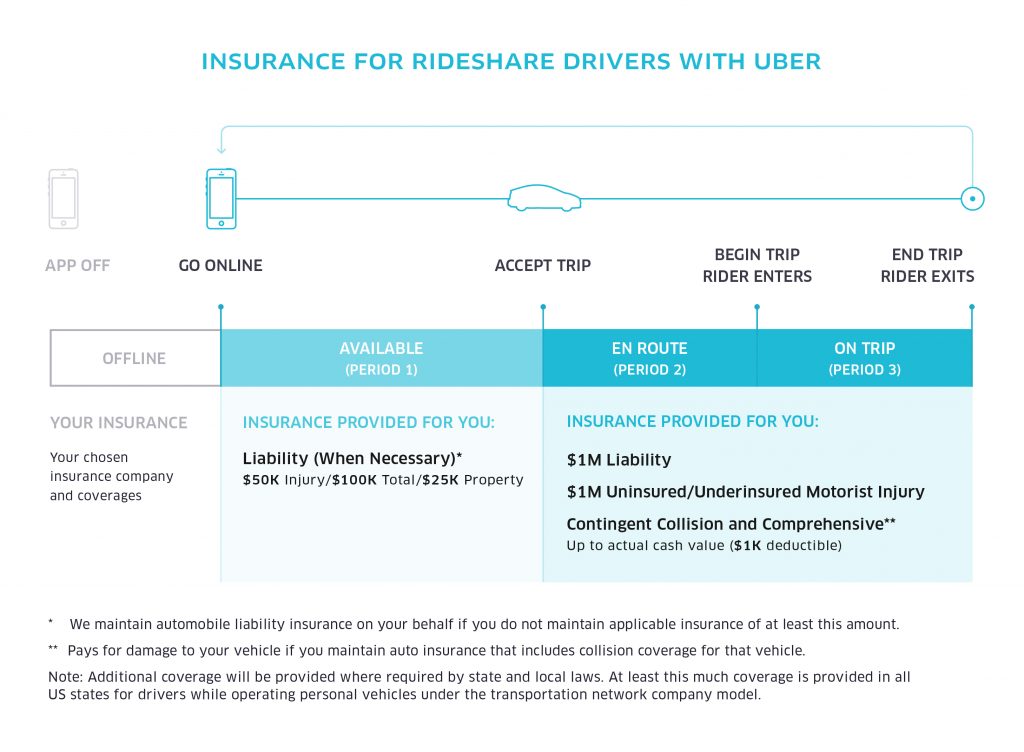
Auto insurance for rideshare drivers is a specialized type of coverage designed to protect individuals who drive for companies like Uber, Lyft, or other ride-hailing services. Unlike traditional personal auto insurance policies, rideshare insurance takes into account the unique risks associated with driving passengers for hire.
Having the right insurance coverage is crucial for rideshare drivers to protect themselves, their passengers, and their vehicles in case of accidents or other incidents. Without proper insurance, drivers risk financial losses, legal liabilities, and even the suspension of their driving privileges.
When it comes to auto insurance for rideshare drivers, understanding the different coverage options available is crucial. Here, we will delve into the details of liability, comprehensive, and collision coverage, highlighting how each type can protect drivers in various scenarios.
Liability coverage is the most basic type of insurance that all drivers, including rideshare drivers, are required to have. This coverage helps pay for damages and injuries you cause to others in an accident. For example, if you accidentally rear-end another vehicle while driving for a rideshare service, liability coverage can help cover the cost of the other driver’s vehicle repairs and medical expenses.
Comprehensive coverage provides protection for damages to your vehicle that are not caused by a collision, such as theft, vandalism, or natural disasters. For rideshare drivers, this coverage can be beneficial in situations where your car is stolen while you are on duty.
Comprehensive coverage will help cover the cost of replacing or repairing your vehicle.
Collision coverage is designed to help pay for damages to your vehicle that result from a collision with another vehicle or object. If you are involved in a car accident while driving for a rideshare service, collision coverage can assist in covering the repair or replacement costs for your vehicle.
This coverage is especially important for rideshare drivers who rely on their vehicles to earn a living.Overall, having a combination of liability, comprehensive, and collision coverage can provide rideshare drivers with comprehensive protection in various scenarios they may encounter on the road.
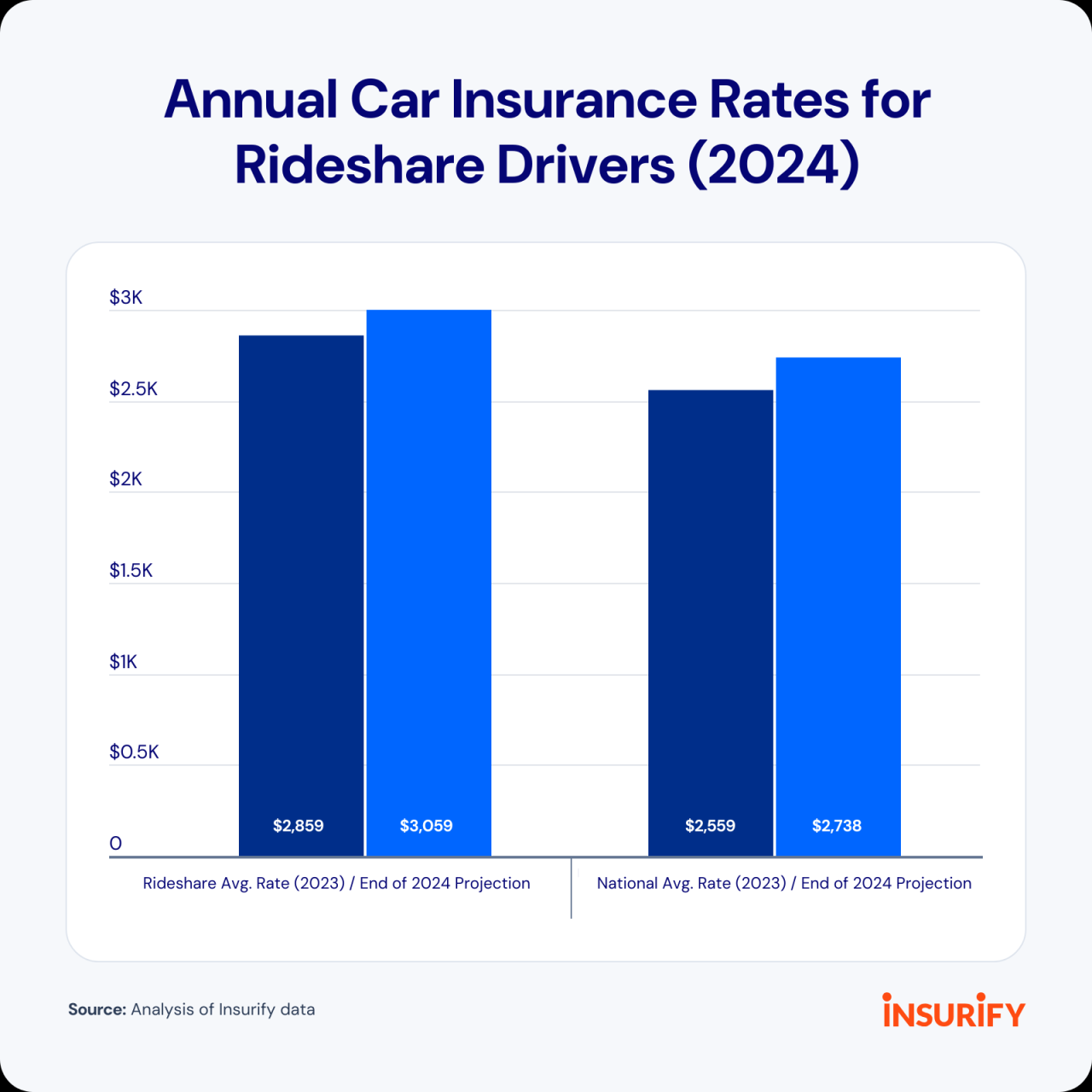
Auto insurance for rideshare drivers can come with varying costs depending on several factors that influence the premiums. Understanding these factors and finding ways to lower insurance costs while maintaining adequate coverage is crucial for rideshare drivers.
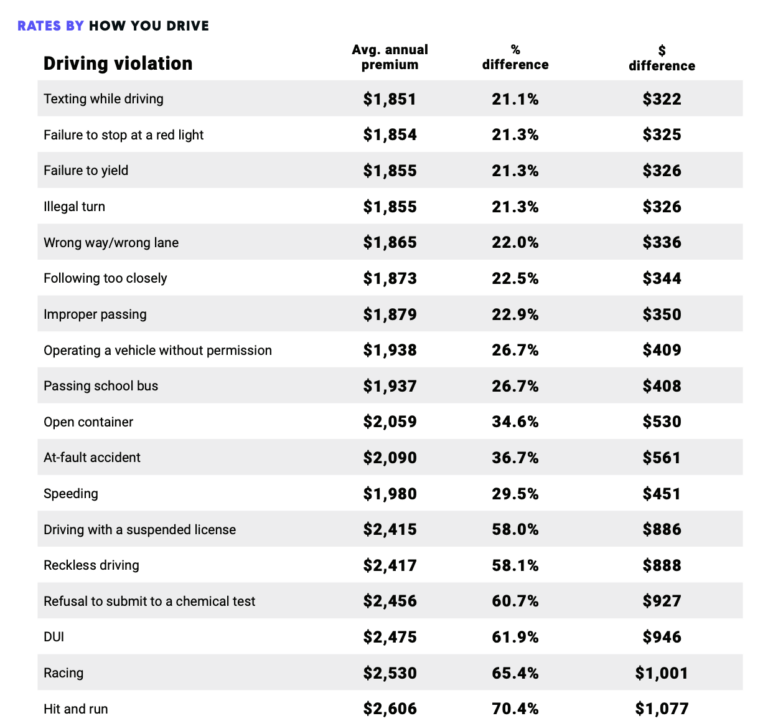
Several factors can impact the cost of auto insurance for rideshare drivers, including:
Rideshare drivers can potentially lower their insurance costs by:
While it’s essential to find ways to lower insurance costs, rideshare drivers must also ensure they have adequate coverage to protect themselves and their passengers in case of an accident. Balancing cost with coverage means finding a policy that offers the right level of protection without compromising on essential benefits.
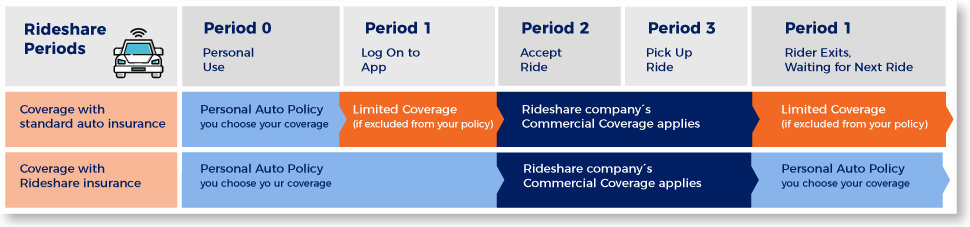
When it comes to insurance options for rideshare drivers, there are specialized policies designed to address the unique needs of individuals who use their vehicles for both personal and rideshare purposes. These policies offer specific coverage that traditional auto insurance may not provide, offering peace of mind and protection while on the road.
Hybrid policies are a popular choice for rideshare drivers who use their cars for both personal and business purposes. These policies typically cover you during all stages of ridesharing, including when you are waiting for a ride request, on your way to pick up a passenger, and when you have a passenger in your car.
This ensures that you are fully protected no matter what stage of the rideshare process you are in.
Choosing a policy specifically tailored for rideshare work can offer several benefits. These specialized policies often provide higher liability limits, coverage for rideshare-related incidents that may not be covered by traditional insurance, and additional protection for you and your passengers.
By opting for a policy designed for rideshare drivers, you can have the peace of mind knowing that you are adequately covered in any situation that may arise while working in the rideshare industry.
What are the main coverage gaps that rideshare drivers may face?
Rideshare drivers may face gaps in coverage between personal auto insurance and commercial insurance, leaving them vulnerable in certain situations. It’s essential to understand these gaps and ensure proper coverage.
How can rideshare drivers potentially lower their insurance costs?
Rideshare drivers can lower insurance costs by maintaining a clean driving record, choosing a higher deductible, bundling policies, and exploring discounts specific to rideshare drivers.
What are hybrid policies for rideshare drivers?
Hybrid policies are designed for individuals who use their cars for personal and rideshare purposes. These policies provide coverage that bridges the gap between personal and commercial insurance needs.