Car Insurance for Electric Vehicles: Premiums, Repairs, and Coverage Explained
With Car Insurance for Electric Vehicles: Premiums, Repairs, and Coverage Explained at the forefront, this paragraph opens a window to an amazing start and intrigue, inviting readers to embark on a storytelling filled with unexpected twists and insights.
The content of the second paragraph that provides descriptive and clear information about the topic
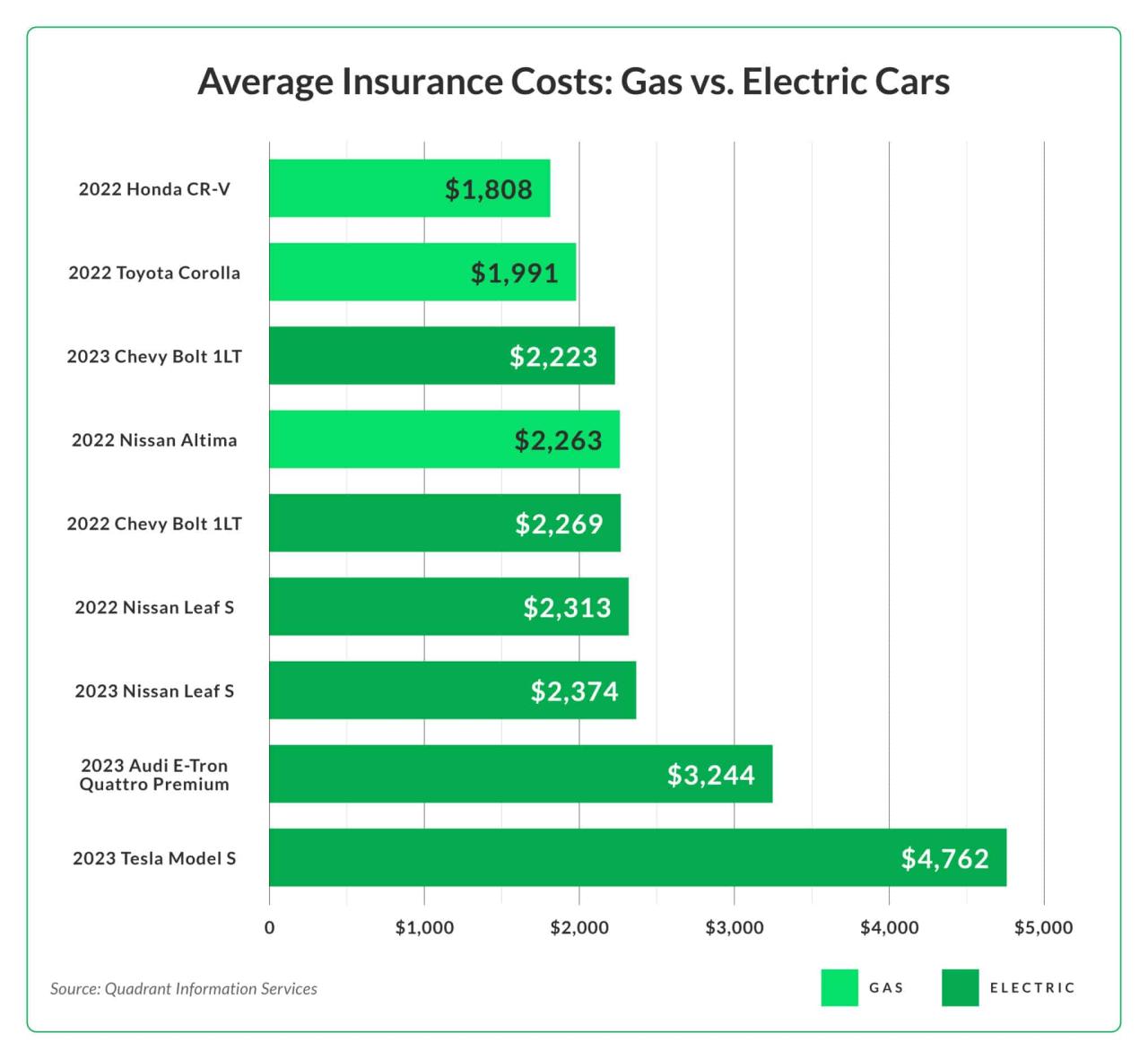
Insurance for electric vehicles is essential to protect drivers from financial losses in the event of accidents, theft, or damages. Just like traditional gas-powered cars, electric vehicles require insurance coverage to comply with legal requirements and safeguard against unexpected expenses.
Insurance for electric vehicles can differ from traditional gas-powered cars due to the unique technology and components found in electric vehicles. For example, electric vehicles may have higher repair costs for specialized parts and batteries, leading to potentially higher insurance premiums.
When it comes to insuring electric vehicles, there are several factors that insurance companies take into consideration when determining premiums. These factors can vary from traditional gasoline-powered cars, leading to differences in insurance costs.
When it comes to electric vehicles, having the right repair and maintenance coverage is crucial to ensure your vehicle remains in top condition. Let’s explore the types of coverage options available for electric vehicles and why they are essential.
When it comes to insuring your electric vehicle, there are several coverage options available to protect you and your investment. Understanding the different types of coverage and how they can benefit you is essential for making informed decisions about your insurance policy.
Liability coverage is a fundamental component of any auto insurance policy, including those for electric vehicles. This type of coverage helps protect you financially if you are found at fault in an accident that causes injury or property damage to others.
For electric vehicle owners, liability coverage is crucial in situations where you may be responsible for damage to another vehicle, a person’s property, or someone’s medical expenses.
Collision coverage is designed to pay for repairs to your electric vehicle if it is damaged in a collision with another vehicle or object, regardless of fault. This coverage is beneficial for electric vehicle owners who want to ensure their car is protected in the event of an accident that results in damage to their vehicle.
Comprehensive coverage provides protection for your electric vehicle against damage not caused by a collision, such as theft, vandalism, natural disasters, or hitting an animal. Electric vehicle owners should consider comprehensive coverage to safeguard their investment from a wide range of potential risks beyond just accidents.
In addition to the standard coverage options, electric vehicle owners may want to consider specialized coverage specific to their vehicles, such as coverage for battery replacement or coverage for charging equipment. These additional coverage options can provide added peace of mind and protection for the unique needs of electric vehicle owners.
What factors influence insurance premiums for electric vehicles?
Insurance premiums are often influenced by factors like the vehicle’s make and model, driving history, and coverage options chosen.
Are repair and maintenance costs higher for electric vehicles compared to traditional cars?
Repair and maintenance costs can vary, but they might be higher for electric vehicles due to specialized parts and expertise required for repairs.
What are some additional coverage options specific to electric vehicles?
Some additional coverage options for electric vehicles may include coverage for charging stations, battery-related issues, and specialized repairs.