Car Insurance Deductible Explained: How It Affects Premiums and Claims
Delving into Car Insurance Deductible Explained: How It Affects Premiums and Claims, this introduction immerses readers in a unique and compelling narrative, with casual formal language style that is both engaging and thought-provoking from the very first sentence.
The content of the second paragraph that provides descriptive and clear information about the topic
When it comes to car insurance, the deductible is an essential factor that can have a significant impact on your premiums and claims. Understanding how deductibles work is crucial for making informed decisions about your coverage.
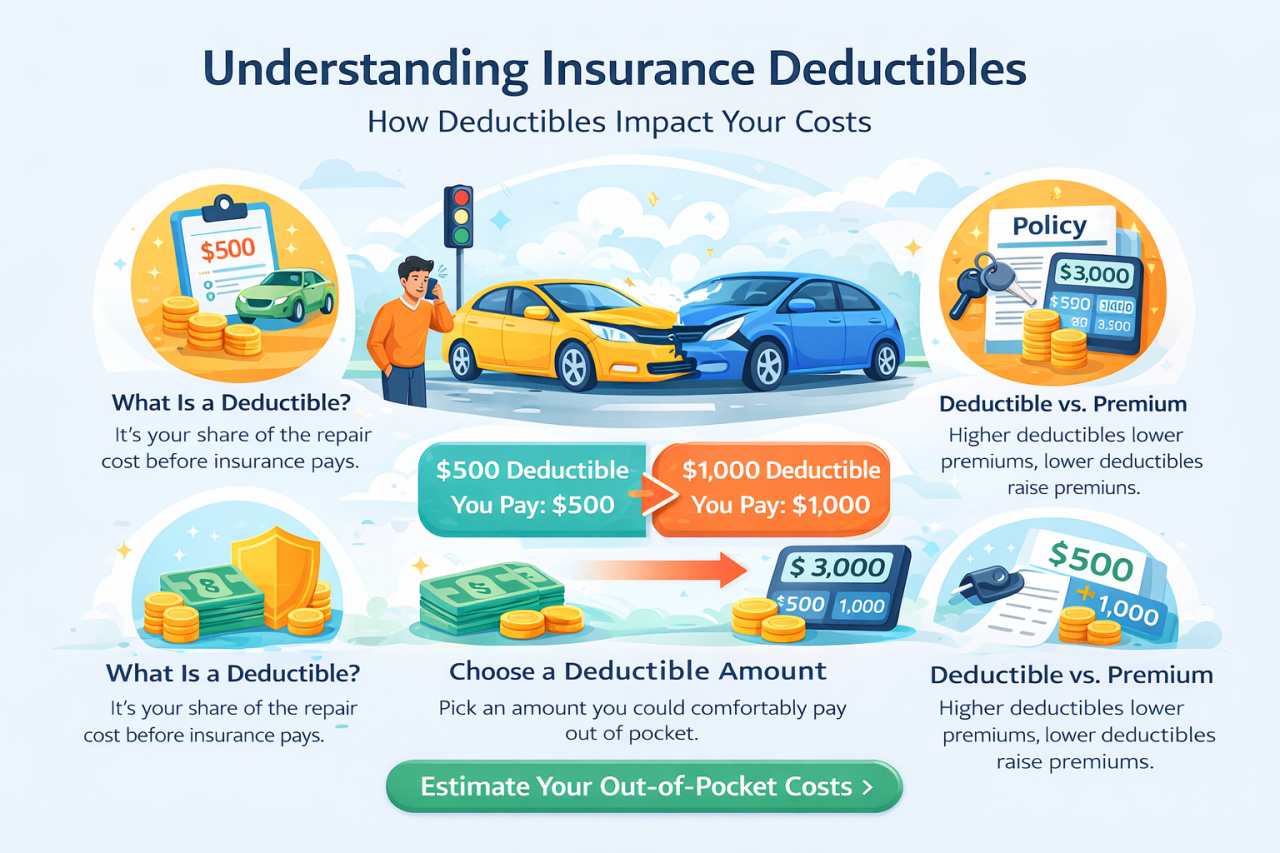
A car insurance deductible is the amount of money you agree to pay out of pocket before your insurance kicks in to cover the rest of a claim. For example, if you have a $500 deductible and you file a claim for $2000 in damages, you would pay $500, and your insurance would cover the remaining $1500.
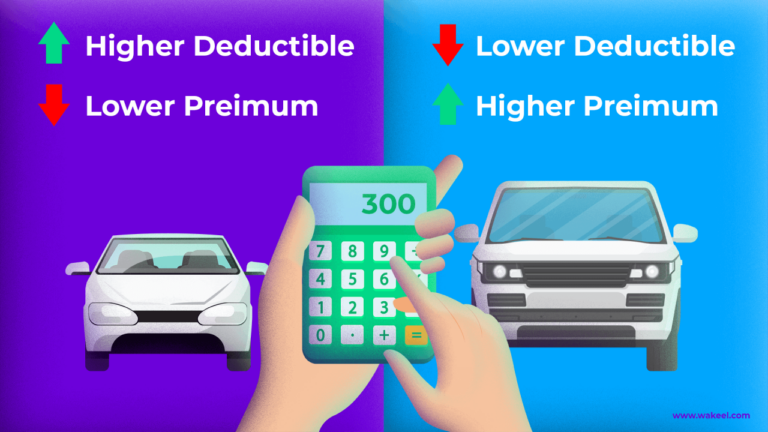
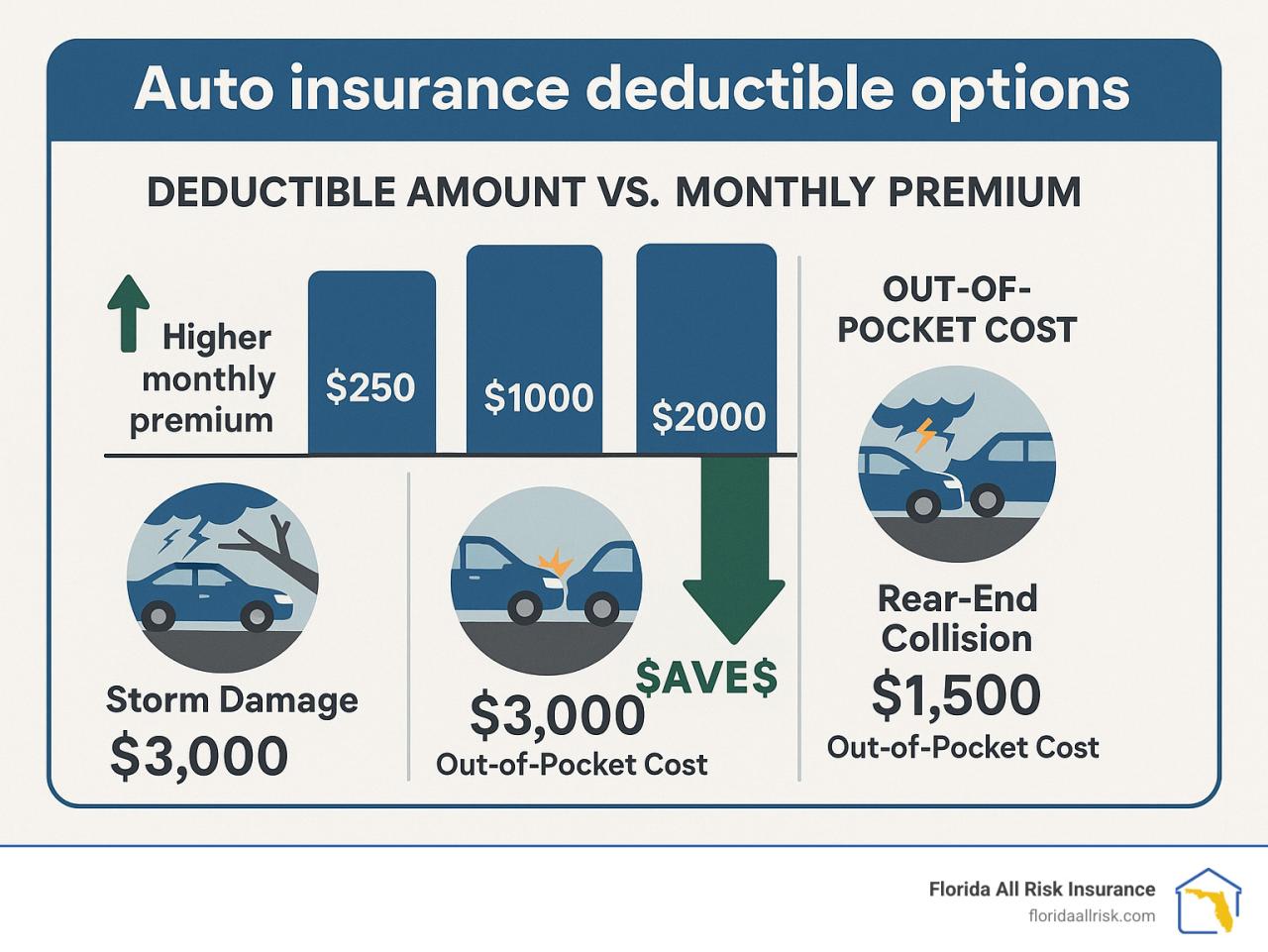
The deductible amount is typically chosen by the policyholder when setting up their car insurance policy. Insurance companies may offer a range of deductible options, such as $250, $500, $1000, or higher. A higher deductible usually results in lower premiums, while a lower deductible leads to higher premiums.
The relationship between deductible and premium costs is inverse – a higher deductible typically results in lower premiums, and a lower deductible leads to higher premiums. This is because by agreeing to pay more out of pocket in the event of a claim, you are taking on more risk, which can lower the insurer’s risk and therefore decrease your premium costs.
When it comes to car insurance deductibles, there are different options available that can impact your premiums and claims. Understanding the pros and cons of each type is essential for making informed decisions about your coverage.
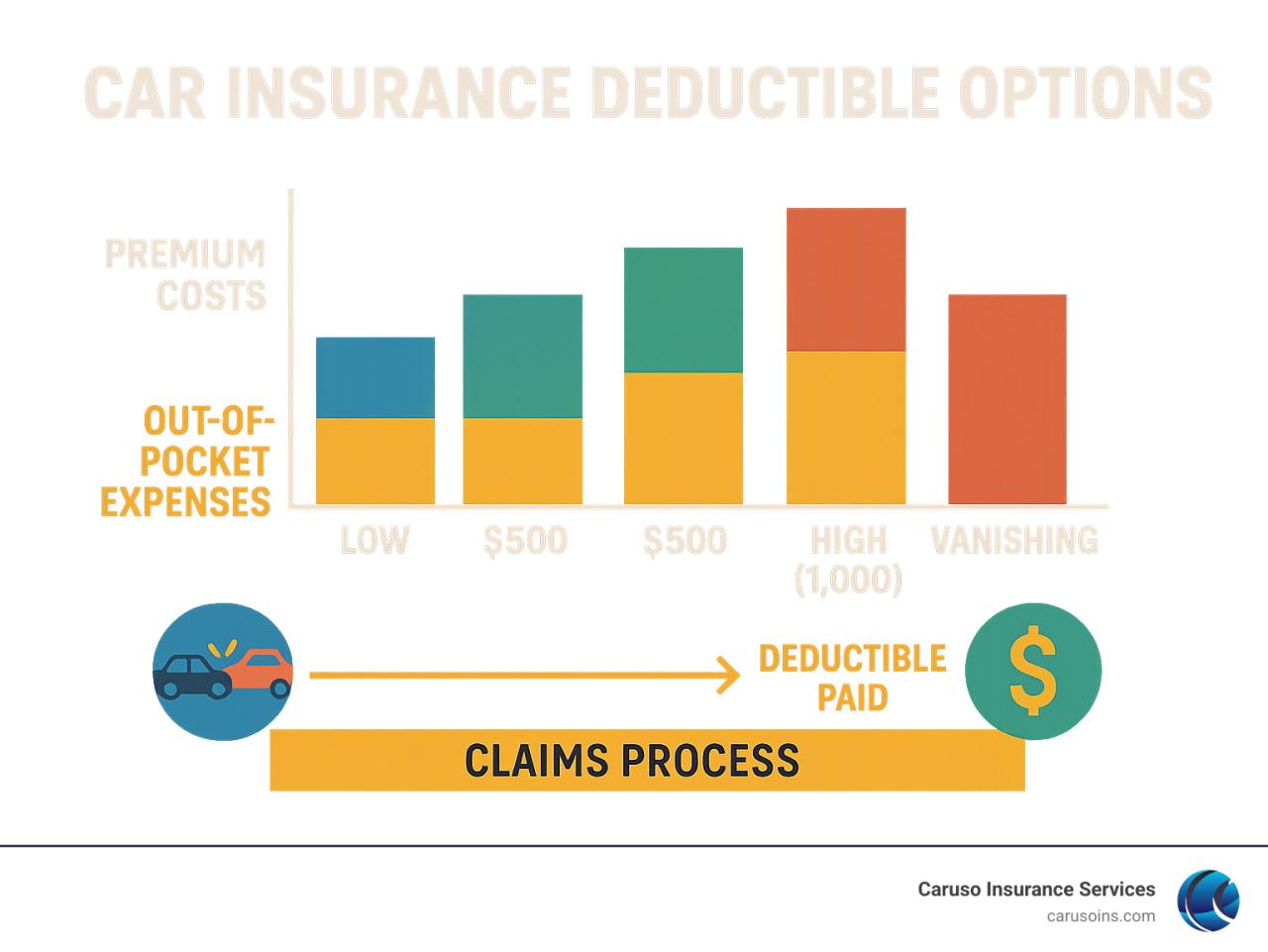
Example: If you have a $500 fixed deductible and your repair costs are $1,000, you would pay $500, and your insurance would cover the remaining $500.
Example: If you have a 10% deductible and your claim is $5,000, you would pay $500 (10% of $5,000) out of pocket.
Example: If you have a $500 vanishing deductible and go two years without a claim, your deductible may decrease to $0.
When it comes to car insurance deductibles, there are several factors that can influence the amount you choose to set. Understanding these factors can help you make an informed decision that suits your needs and budget.
On the other hand, if you have a history of accidents or claims, a lower deductible might be more suitable to minimize out-of-pocket expenses in case of another incident.
Make sure to consider the deductible amount for each type of coverage when selecting your policy.
Tips for Choosing the Right Deductible Amount
- Evaluate Your Finances: Consider your financial situation and how much you can afford to pay out of pocket in the event of a claim. If you have enough savings to cover a higher deductible, you can opt for a lower premium.
However, if a high deductible would strain your finances, it might be wise to choose a lower deductible with higher premiums.
- Assess Your Risk Tolerance: Think about how comfortable you are with assuming more risk in exchange for lower premiums. If you prefer to have peace of mind knowing that your out-of-pocket expenses are limited, a lower deductible might be the better choice for you.
When it comes to car insurance, the deductible amount you choose can have a significant impact on your premiums. In general, a higher deductible means lower premiums, while a lower deductible means higher premiums. Let’s explore how this relationship works and strategies to lower premiums while adjusting the deductible.
When it comes to car insurance claims, the deductible amount plays a significant role in determining how much you will have to pay out of pocket before your insurance kicks in. Let’s delve into how the deductible affects the claims process and the amount you receive from your insurance company.
What is a car insurance deductible?
A car insurance deductible is the amount you agree to pay out of pocket for repairs before your insurance coverage kicks in.
How does the deductible amount affect premiums?
Typically, choosing a higher deductible leads to lower premiums, while a lower deductible results in higher premiums.
What factors can impact the deductible amount?
Factors like the driver’s history, type of coverage, and the insurance company’s policies can influence the deductible amount.
When is it beneficial to choose a higher deductible?
Opting for a higher deductible can be advantageous if you want to lower your premium costs and are a safe driver with a good record.
How does the deductible affect the claim amount paid by the insurance company?
The deductible is subtracted from the total claim amount, and the insurance company pays the remaining balance up to your coverage limit.