Auto Insurance After an Accident: Claims, Rate Changes, and Renewal Options
Delving into Auto Insurance After an Accident: Claims, Rate Changes, and Renewal Options, this introduction immerses readers in a unique and compelling narrative, with a casual formal language style that is both engaging and thought-provoking from the very first sentence.
Exploring the aftermath of an auto accident can be a complex and daunting process, especially when it comes to dealing with insurance claims, rate adjustments, and renewal options. This guide aims to shed light on these crucial aspects and provide valuable insights for policyholders navigating this challenging terrain.
When it comes to filing an auto insurance claim after an accident, there are specific steps to follow to ensure a smooth process and timely resolution.
It’s essential to be honest and thorough when filing an auto insurance claim to avoid potential denials and delays in the process.

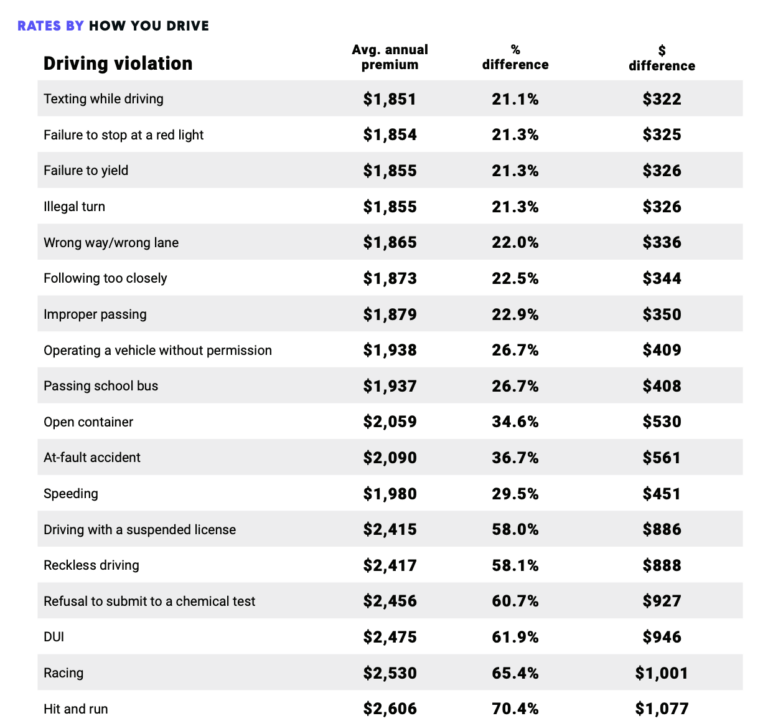
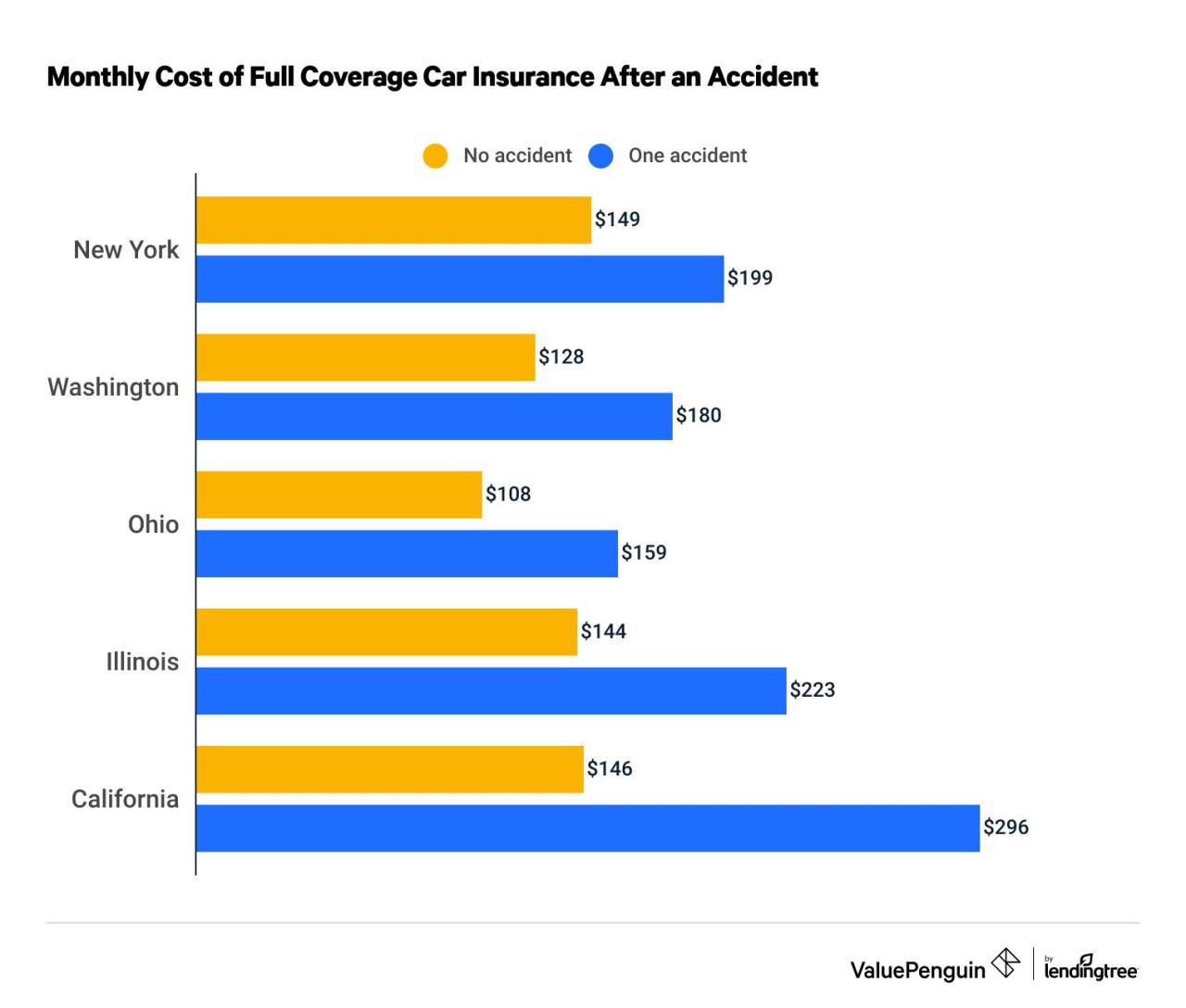
When it comes to auto insurance, accidents can have a significant impact on insurance rates. Insurance companies use various factors to determine rates, and accidents are a major consideration in this process.Accidents, especially at-fault accidents, typically lead to an increase in insurance premiums.
This is because insurance companies view drivers involved in accidents as higher risk and more likely to file future claims. As a result, they adjust rates accordingly to reflect this increased risk.On the other hand, no-fault accidents may also result in rate changes, although the impact might be less severe compared to at-fault accidents.
Insurance companies take into account the circumstances of the accident, such as who was at fault and the extent of damages, when determining rate adjustments.

When it comes to renewing your auto insurance after an accident, policyholders have several options to consider. Whether you choose to stick with your current provider or seek alternative options, it’s important to understand the process and potential outcomes.
If you are not satisfied with the renewal terms offered by your current insurance company after an accident, you have the option to explore other insurance providers. You can shop around and compare quotes from different companies to find a policy that better suits your needs and budget.
Keep in mind that switching insurance providers may come with certain considerations, such as ensuring continuous coverage and potential impacts on your premium.
Alternatively, you can negotiate renewal terms with your current insurance company after an accident. Reach out to your insurer to discuss your options and see if there are any opportunities to adjust your premium or coverage. Providing additional information or documentation related to the accident may help in negotiating better terms.
It’s important to communicate openly and proactively with your insurance company to explore potential adjustments to your policy.
What documentation is usually required by insurance companies for processing claims?
Insurance companies typically require documents such as the police report, photos of the accident scene, medical records, and repair estimates to process claims efficiently. It’s important to provide all necessary paperwork promptly to avoid delays.
How can policyholders mitigate rate hikes after an accident?
Policyholders can potentially mitigate rate hikes by taking defensive driving courses, bundling policies, or choosing a higher deductible. Additionally, maintaining a clean driving record and promptly reporting any changes or improvements can also help in keeping premiums manageable.
Is it common for insurance companies to deny claims after an accident?
While insurance companies aim to honor valid claims, denials can occur due to reasons such as insufficient evidence, policy exclusions, or late reporting. Policyholders can prevent denials by ensuring they provide accurate and timely information when filing a claim.